

-
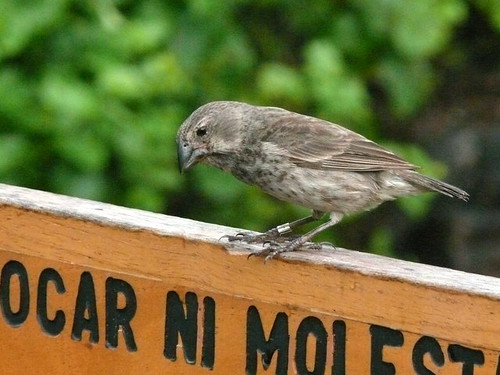
Evolution 2019: Urbanization Drives Evolution of Darwin’s Finches in the Galápagos
Many of us don’t think of the Galápagos as a place that is urbanized, but as we’ve discussed here on Life in the City previously, there is substantial human impact in the archipelago. An estimate from 2012 places the population size…
-
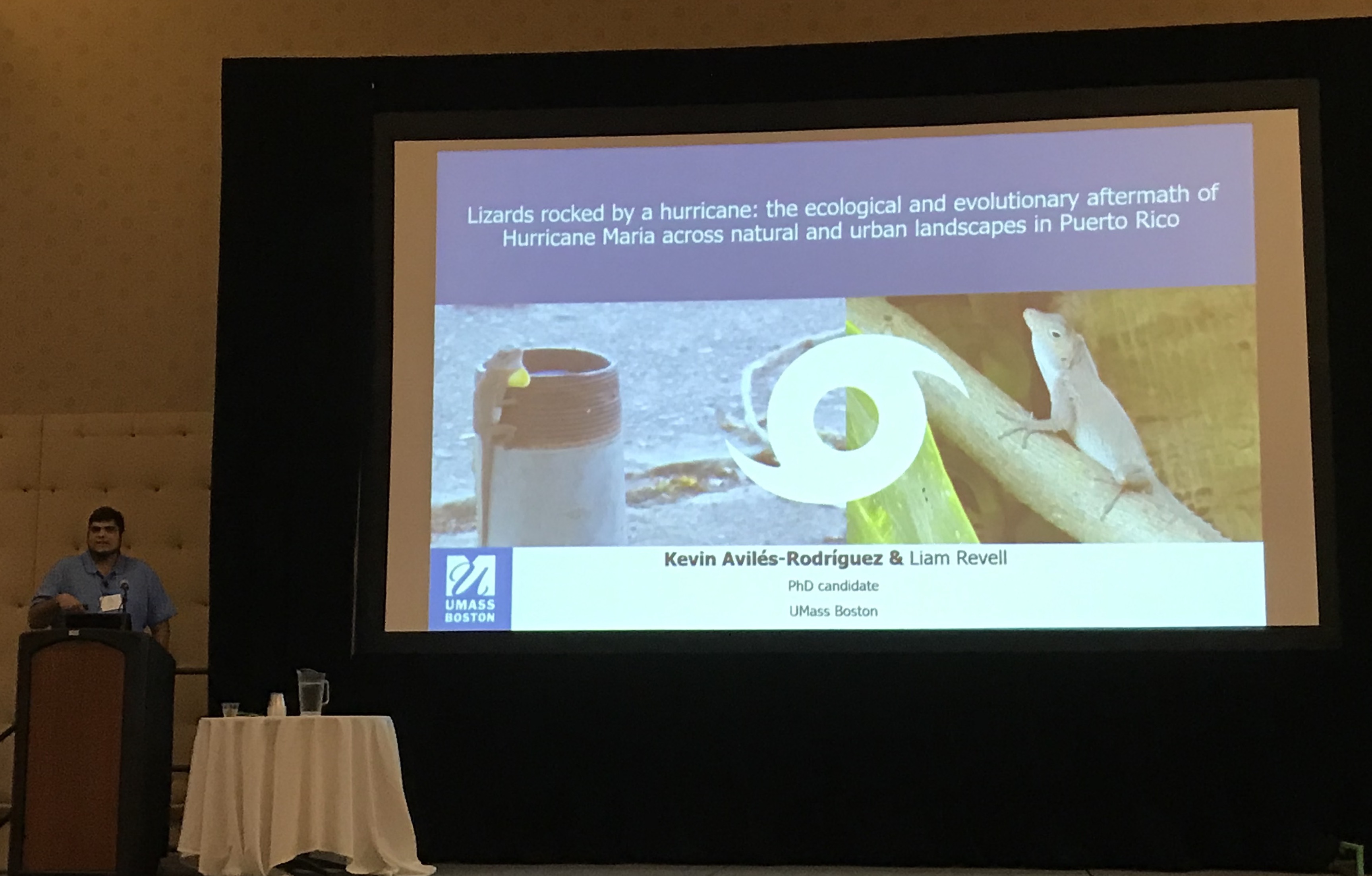
Evolution 2019: Urban Lizard Morphology Changes After Hurricane Maria
Kevin Aviles-Rodriguez, a contributor here at LITC, studies urban adaptation and behavior of Anolis lizards. Previously, we told you all about Kevin’s research on escape behavior of urban versus forest anoles, which was Kevin’s MS research. During his PhD, Kevin has…
-
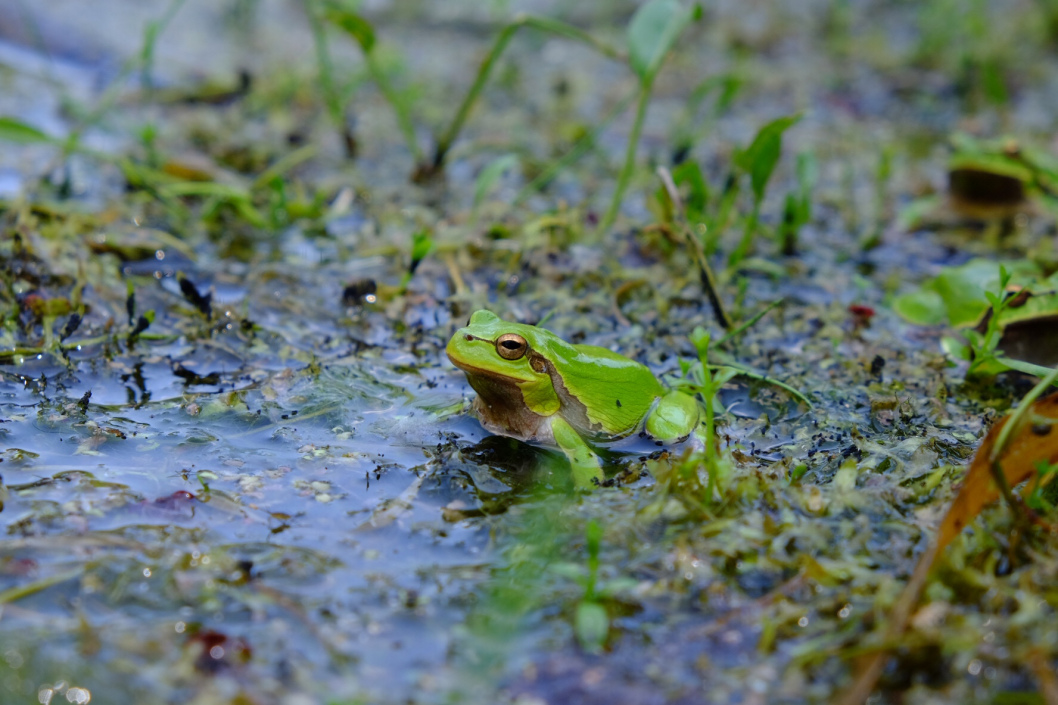
Evolution 2019: Do Frogs Respond Eco-Evolutionarily to the Chernobyl Incident?
Posts here on Life in the City have covered the gamut of impacts of urbanization: the urban heat island, habitat fragmentation, artificial structures, changes in species interactions, and more. One aspect of anthropogenic change we haven’t yet considered is alterations…
-

Evolution 2019: How Do Anoles Handle Artificial Light at Night?
In the second of four urban anole presentations at Evolution, Emmanuel D’Agostino does a great job summarizing new research by LITC contributor Chris Thawley. Chris’ post-doc research has really delved into the night-light niche and ALAN, a topic that is no…
-
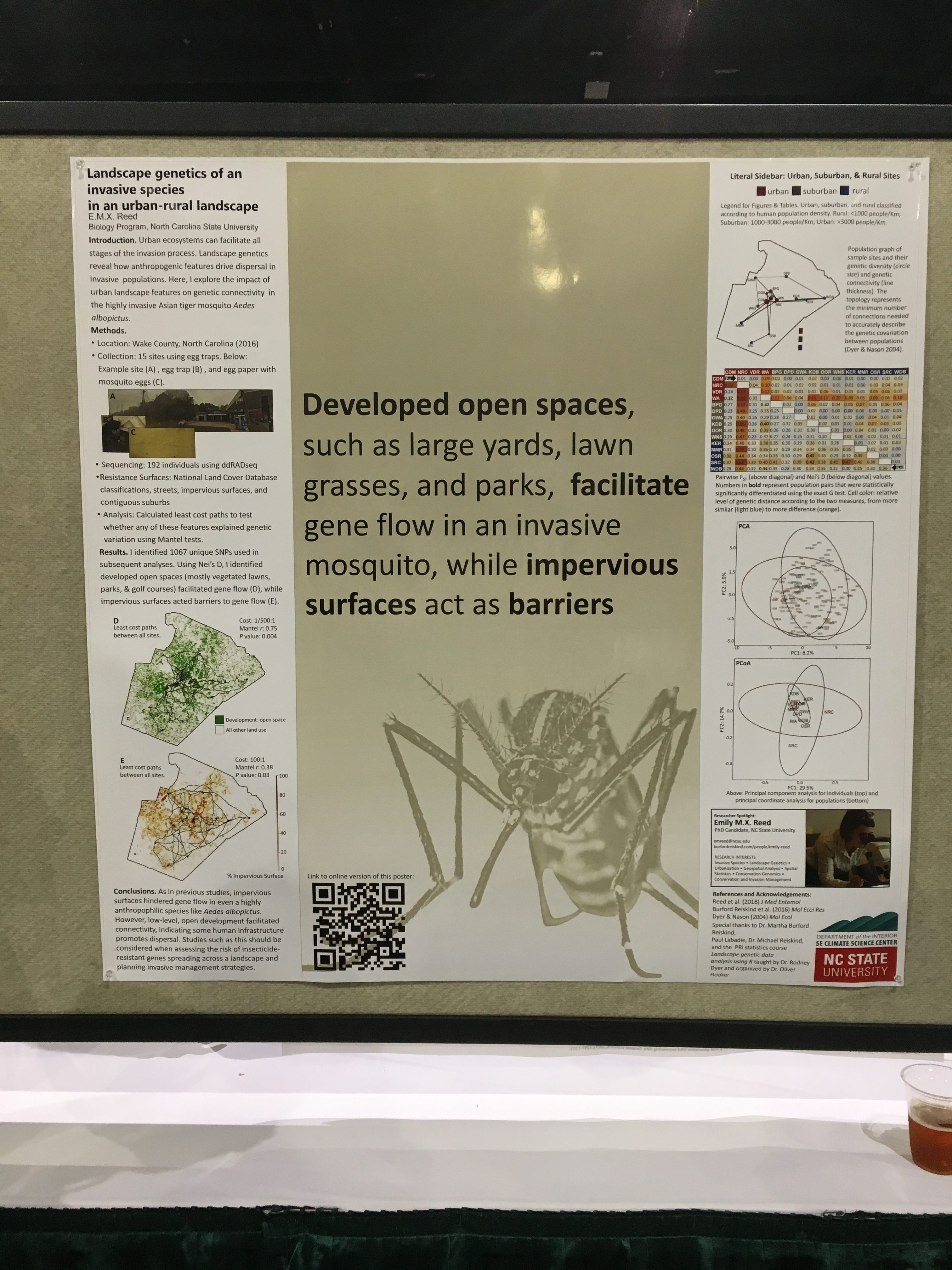
Evolution 2019: Landscape Genetics of an Invasive Species in an Urban-Rural Landscape
With increased urbanization across the globe comes more invasive species. Humans accidentally bring pests with them when they travel across the world. The highly invasive Asian tiger mosquito, Aedes albopictus, has been found in Wake County, North Carolina. Emily Reed,…
-
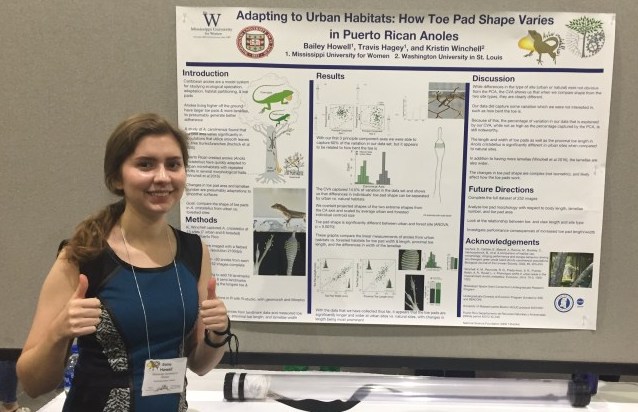
Evolution 2019: Urban Lizards Have Wider and Longer Toepads
Anole lizards are adapting to urbanization. Anolis cristatellus in particular has rapidly and repeatedly evolved larger toepads with more lamellae (among many other trait shifts) in urban environments across Puerto Rico when compared to nearby forest environments. But one question that has…
-
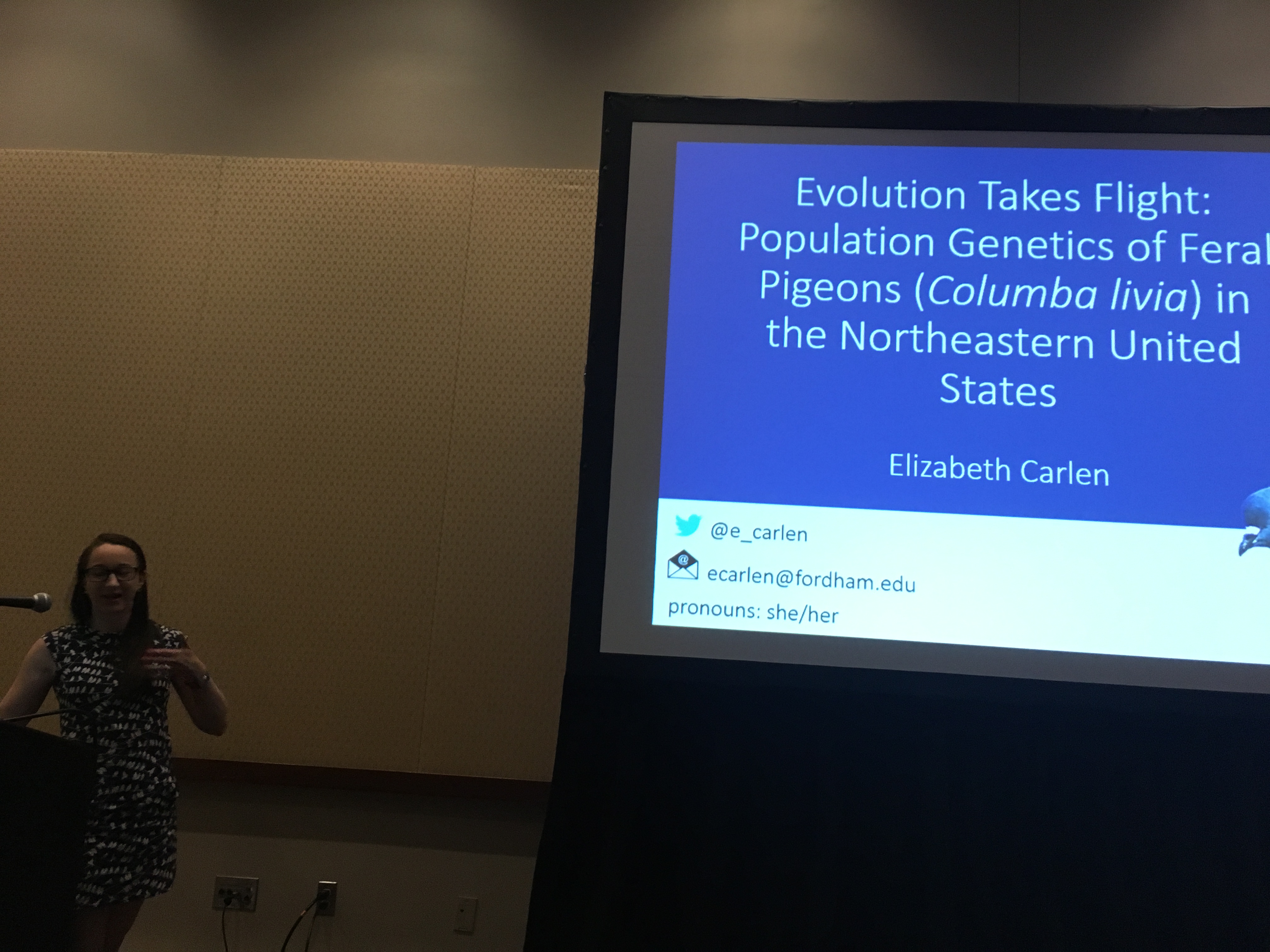
Evolution 2019: Evolution Takes Flight: Population Genetics of Feral Pigeons (Columba livia) in the Northeastern United States
As you may have guessed by now, urbanization changes the natural landscape and this can have consequences for the organisms that live in them. Feral pigeons, which had been domesticated thousands of years ago and transported globally by humans, are…
-
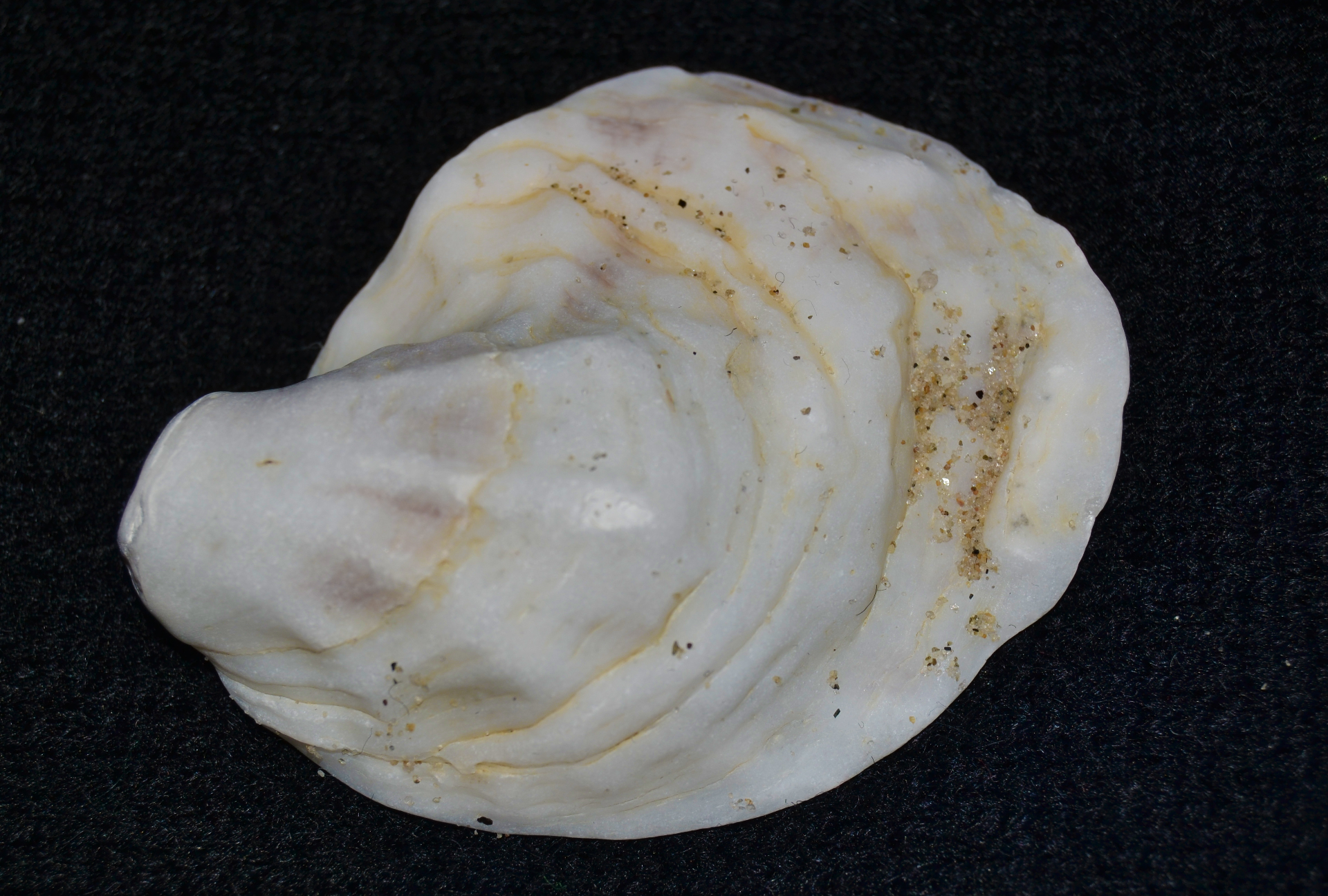
Evolution 2019: Adaptation to Coastal Stressors in Oyster Larvae
When people think of the effects of cities on wildlife, changes on land often first come to mind. But, urban areas also have major impacts on aquatic life, especially near sewage treatment plants. These sewage plants dump billions of liters…
Latest Posts

Latest Comments
adaptation ALAN anole anoles anolis Australia behavior biodiversity bird birds city conference conservation diet ecology Evol2019 evolution Evolution 2019 FID fieldwork gene flow herpetology International Urban Wildlife Conference invasive species IUWC2019 lizard mammals morphology NYC physiology pigeons plants plasticity pollution SICB thermal urban urban birds Urban ecology urban evolution urban heat island urbanization urban observation urban wildlife wildlife